


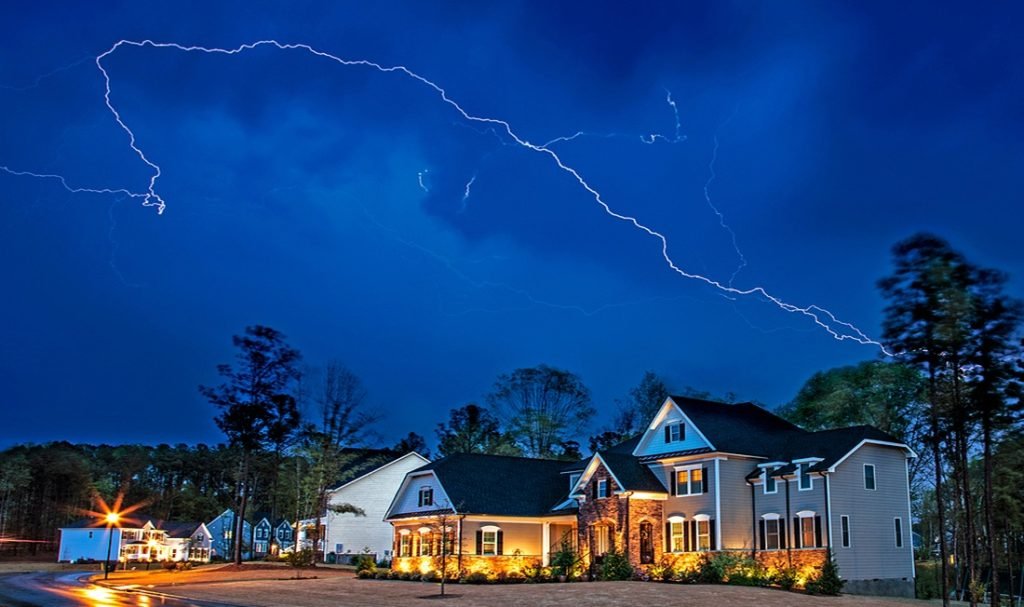
Do you ever ask yourself what you should do immediately after heavy rain to protect your home and avoid causing permanent damage?
Many Orlando homeowners are left to deal with the aftermath of severe thunderstorms, flooding, and roof leaks or other resulting structural damage that the storm may have caused. When you are not familiar with the proper way to handle these issues, you are putting your health, the well-being of your family, and the integrity of your property at risk. Many people make common mistakes after a storm, which can make matters worse. This is why a checklist of what to do after a storm can be so important.
This blog will provide you with some of the necessary steps to take after a storm, the common mistakes people often make, and the reasons why you might need a local storm damage restoration company in Orlando to return your property to a safe and habitable state.
The First Thing I Should Do After a Storm
Your first objective after a storm is protection and safety. Heavy rainstorms have likely created unsafe hazards, and you might not be able to see them instantly.
1. Take a Look Around You
Check for downed power lines, fallen trees, and unstable structures around your property. Make sure your family and pets are only in a safe area, and if there is a risk, stay away from the property altogether.
2. Do Not Enter Flooding or Water Areas
Even shallow water can hide electrical hazards, debris, or contaminated water. Do not walk or drive through flooded areas.
3. Mold and Mildew
Check for any signs of mold or mildew, as this growth can increase rapidly inside closed walls if moisture is present. Mold may be brown, green, or black and may produce an unpleasant smell.
4. Any Damaged Items
Beginning in one room and working your way around the house, take stock of any personal items that were damaged and/or need to be thrown away. Also, take note of any furniture that may be damaged or need disposal. If the water came from a flood, you may want to allow the professional service teams to do this.
5. Cleaning
Once you assess the damage, it makes sense to begin addressing the wet and water damage while you wait for professional services to clean and ensure the safety of the home. This may take several days to schedule, but the shorter the amount of time contents and your home are exposed to water infiltration, the more you can limit additional damage.
6. Electrical System
Carefully look for any water damage in outlets and circuit breakers. If you think there is a chance water has infiltrated the electrical system, immediately have a professional come inspect to avoid a risk of electrocution.
7. Flooring and Carpet
Visually check hardwood, tile, or carpeted areas for any standing water. Even if there is no standing water, moisture can be trapped underneath these living surfaces, risking damage by warping the flooring, creating mold, and damaging structural materials.
8. Basements and Crawl Space
These types of areas are especially susceptible to flooding. Be sure to remove standing water as soon as possible. However, please also be sure to avoid contact with contaminated floodwaters. A professional Storm Damage Restoration Company in Orlando can safely remove the water and dry out the areas.
What Not To Do After a Storm
After a storm, you may feel the urge to begin repairs; however, some things can cause more harm than good.
1. Don’t Enter Flooded Areas
Rooms with standing water should not be entered until a professional is able to tell you it is safe. There may be live electrical wires in the water or weakened walls and ceilings that can result in serious injury.
2. Don’t Use Damaged Appliances
Electric appliances that were exposed to floodwaters, whether briefly or immersed in the water, can be dangerous or not function properly. It is best to only use appliances that have been inspected by an expert to ensure safety for you and others.
3. Don’t Delay Calling for Professional Help
Residential property owners are likely to take the approach of trying to repair the damage themselves. This can lead to inadequate repair, mold, and/or a code violation. Once the damages have been confirmed, it is best to contact a Storm Damage Orlando professional to assist in the repair, in addition to documenting the repairs for your insurance claim.
4. Don’t Ignore Mold
Mold will begin to develop within 24–48 hours based on heat and humidity. Do not think that since you have not seen signs, it is safe to say it is not growing. Not addressing the repairs will lead to future health issues and more costly remediation.
5. Prioritizing Repairs
Once the inspection has concluded, and you have taken immediate actions to minimize hazards, you can begin to prioritize the repairs in terms of urgency and impact.
6. Roof and Structural Repairs
Repair leaks or structural damage as soon as possible for immediate water intrusion. If you lose shingles or there are loose or weakened areas, your ability to remain safe during the next storm may be compromised.
7. Water Extraction and Drying
Use pumps, wet vacs, and dehumidifiers to dry out the area after your repairs. Professionals know how to use specialized equipment designed to perform deep extraction to avoid potential hidden moisture issues and mold growth.
8. Window and Door Sealing
You need to repair or replace any damaged or inoperative windows and doors to help seal off insulation and prevent water entry.
9. Electrical and HVAC System
HVAC systems are compromised due to water exposure, and any electrical devices or systems plugged into HVAC or appliance outlets may also need certified inspection or repair to operate safely and effectively.
Using Storm Damage Repair Orlando assures that these essential repairs are performed safely and properly.
Insurance and Documentation
It is important to document everything related to the storm to ensure you can file a claim with your insurance company.
- Take Photos and Videos: Photograph and video each possible damaged area, including water stains, structural damage, and debris.
- Keep Your Receipts: This should include any temporary repairs you make, any professional inspections you obtain, or any other expenses you pay.
- Notify Your Insurance Company Right Away: Contact your insurance company promptly to initiate a claim.
Professional storm restoration companies, like Storm Damage Restoration Orlando, can provide detailed reports of damage to assist with your claim process.
Benefits of Hiring Professionals
When you hire a professional, you can be assured of a safe, efficient, and thorough path to recovery after storm damage.
- Full Comprehensive Damage Assessment: Professionals have the qualifications and training to identify visible and non-visible damage.
- Extraction of Water and Drying: Professionals have equipment capable of rapid extraction and professional-grade dehumidification to protect against mold growth.
- Structural Repairs: Certified contractors will repair the roof, walls, and flooring back to code.
- Mold Prevention: Taking remedial action right away decreases the risk of long-term mold problems.
- Insurance Assistance: Taking photographs, providing reports, and professional documentation ensures a smoother claims process.
For immediate assistance, search online for Storm Damage Restoration Near Me in Orlando to connect with a trusted restoration company that will respond quickly.
Long-Term Maintenance After a Storm
After your house is repaired, taking precautionary steps will help decrease storm damage in the future:
- Regular Roof Inspections: Ensure the shingles, flashing, and gutters are in good shape.
- Landscaping Management: Trees should be trimmed, and debris removed to decrease wind and flood damage.
- Install Backflow Valves: Backflow installation will prevent the sewer from backing up during very heavy rains.
- Maintain Drainage Systems: Clean out gutters and downspouts regularly to prevent water accumulation.
- Review Your Emergency Planning: Develop a plan for unexpected storms, including evacuation routes and emergency kits.
Vigilance, along with professional knowledge, can help keep your home safe, functional, and protected.
Conclusion
Heavy rains and storms can put homes at risk for water damage, structural damage, and mold. Utilizing a home checklist after storms, avoiding unsafe practices, and asking for help from professionals are important for home safety, protection, and peace of mind. For homeowners in Orlando, this will also include professional assistance when provided by reputable companies like Orlando Storm Damage Restoration.
United Water Restoration Group of Orlando is a reputable provider of Storm Damage Restoration in Orlando. With many years of experience and licensed, trained professionals focused on safety, efficiency, and quality of service, we assist homeowners who have suffered storm damage in recovering as quickly as possible while preserving their home for peace of mind.
Contact us today to schedule a storm damage restoration for your home or business premises.